Why Does My Child Work So Hard At Reading, But Can't Seem To Improve A Lot?
Why Hard Work Isn’t Enough: When Your Child Tries and Still Struggles With Reading
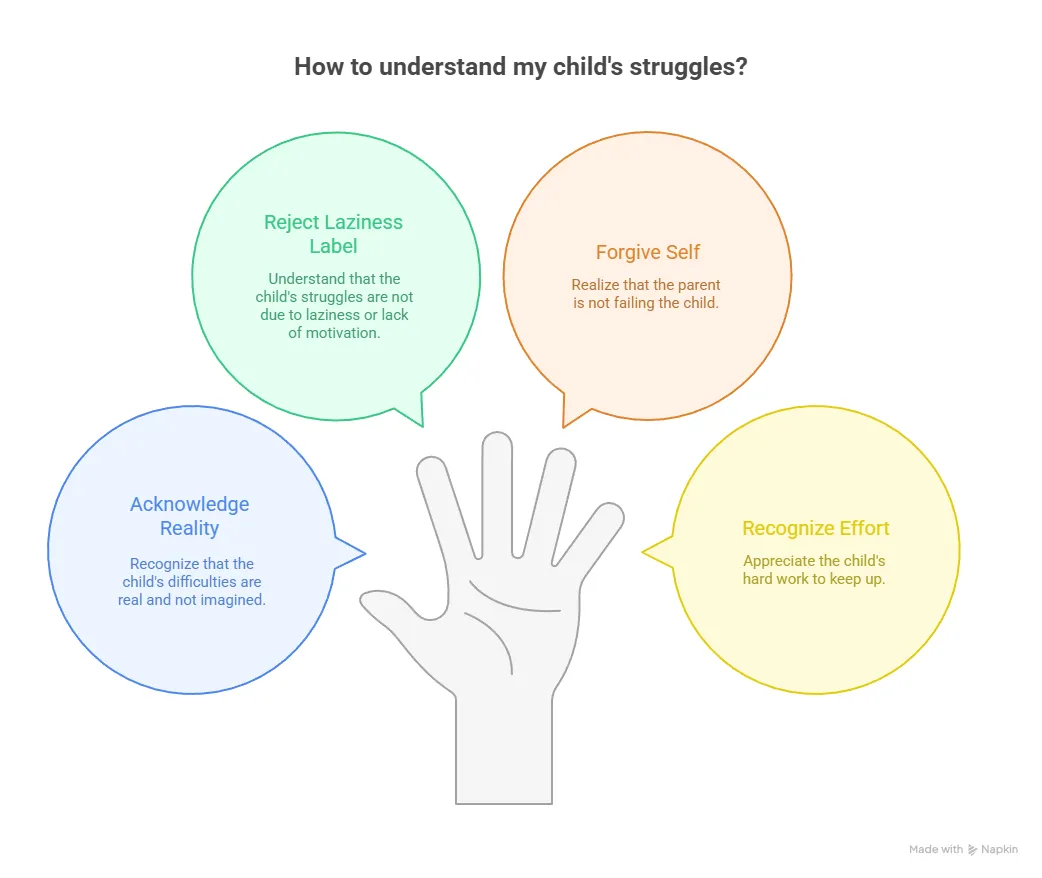
If your child is working hard but still struggling with reading, writing, or spelling, you’re not imagining things. Your child is not lazy. Many students hit a wall in school support systems, even after years of intervention. You’re not alone, and there a reason they’re struggling. The most important thing is this: your child needs a new kind of support, not more pressure to "just try harder."
“My child is trying... so why are they still behind?”
It’s incredibly frustrating and heartbreaking to watch your child work hard, only to stay stuck. When school interventions don’t help and teachers say “they just need to focus more,” it’s easy to feel hopeless. But you’re not alone, and your child is not broken.
Many parents come to me after years of school interventions.
Their child is still behind in reading, writing, or spelling.
The child hates school. They dread reading aloud. They feel “stupid.”
And yet, they’re trying their hardest.
It's not laziness. It’s something deeper.
The kids I work with want to do well.
They put in the effort, but progress feels painfully slow.
When that happens, the problem isn’t lack of effort. It’s that the support isn’t matched to the need.
Research shows that even when children receive targeted reading intervention in the early grades, the average effect size for improvement is modest (g ≈ 0.37), and follow-up gains often shrink over time (Wanzek et al., 2022). This helps explain why many students—despite working hard—don’t see meaningful improvement unless the root cause is addressed.
When the system says “They don’t qualify”
Many families are told, “Your child didn’t qualify for more services.”
Sometimes it's because of one point on a test score.
These kids fall through the cracks because they’re right at the edge.
You’re told to wait. Try harder. Do more of what already hasn’t worked.
And parents are left wondering if they’re overreacting, or if something really is being missed.
Here’s what I want you to know
You are not imagining this.
Your child is not lazy, unmotivated, or “just not trying.”
You’re not failing them.
They’ve likely been working harder than most kids just to keep up.

There is hope, and a way forward
The key is not more of the same. It’s something different.
Often, the root cause hasn’t been found yet.
Once you find the right kind of help, everything can start to shift.
The reason you’ve seen so little progress so far may be because the intervention hasn’t addressed the right challenge for your child. Studies show that children with decoding difficulties, comprehension difficulties, or visual/processing issues often need differently tailored interventions (Reading Rockets, 2023). A one-size-fits-all approach often fails to meet these unique needs.
I’ve seen kids go from hating school to realizing how smart they really are and starting to enjoy learning again once the right support is in place.
You know your child best
If something feels off, you’re probably right.
You don’t need to wait for another test score to prove what you’re already seeing.
In fact, a recent study from MIT found that many teachers feel under-prepared to administer or interpret early literacy screening tools, which means some children who need support may not be properly identified (MIT News, 2025).
If this sounds like your child, you’re not alone.
Let's explore what kind of support might actually help and find a way forward together.
Want to learn more about how I help students who’ve fallen behind succeed? Reach out here to get started.
About the Author
Stacy Wiest is an experienced educator with over 23 years of classroom teaching and the last 8 years focused on one-on-one reading support as a private tutor. She brings a wealth of training and insight to her work, including specialized instruction in Orton-Gillingham, Lindamood-Bell, Reading First, Handwriting Without Tears, and advanced courses through the Dyslexia Training Institute.
Stacy is passionate about helping struggling readers find the tools and strategies that actually work for their unique brains. Known for her calm and patient approach, she helps kids who once felt frustrated or discouraged start to believe in themselves again. Many families say that after working with Stacy, there are fewer tears, more confidence, and a lot more smiles at homework time.
